Why Specific Geography Makes Better Fiction
Most political thrillers open in a place readers already know: Washington D.C., Manhattan, Langley, London. The geography functions as shorthand — a signal of power, stakes, gravity. The problem is that shorthand is borrowed weight. You're not building the world; you're renting someone else's.
The novels that last — the ones that feel like they couldn't have been written any other way — are built in places the author actually knows. Specific places. Places with a texture you can't fake. Tom Clancy knew nuclear submarines from the inside out. Elmore Leonard knew exactly what a Miami motel smelled like at 2 a.m. James Lee Burke knows the Louisiana bayou the way he knows his own face.
M.R. Dean knows Russellville, Arkansas.
That specificity is load-bearing. It's not set dressing. It's the architecture of who Perry Wade is before the CIA ever got to him — before the missions, before the medals no one will ever see, before the drinking, before the woman he lost and never quite got back.
What Russellville Gives Perry Wade
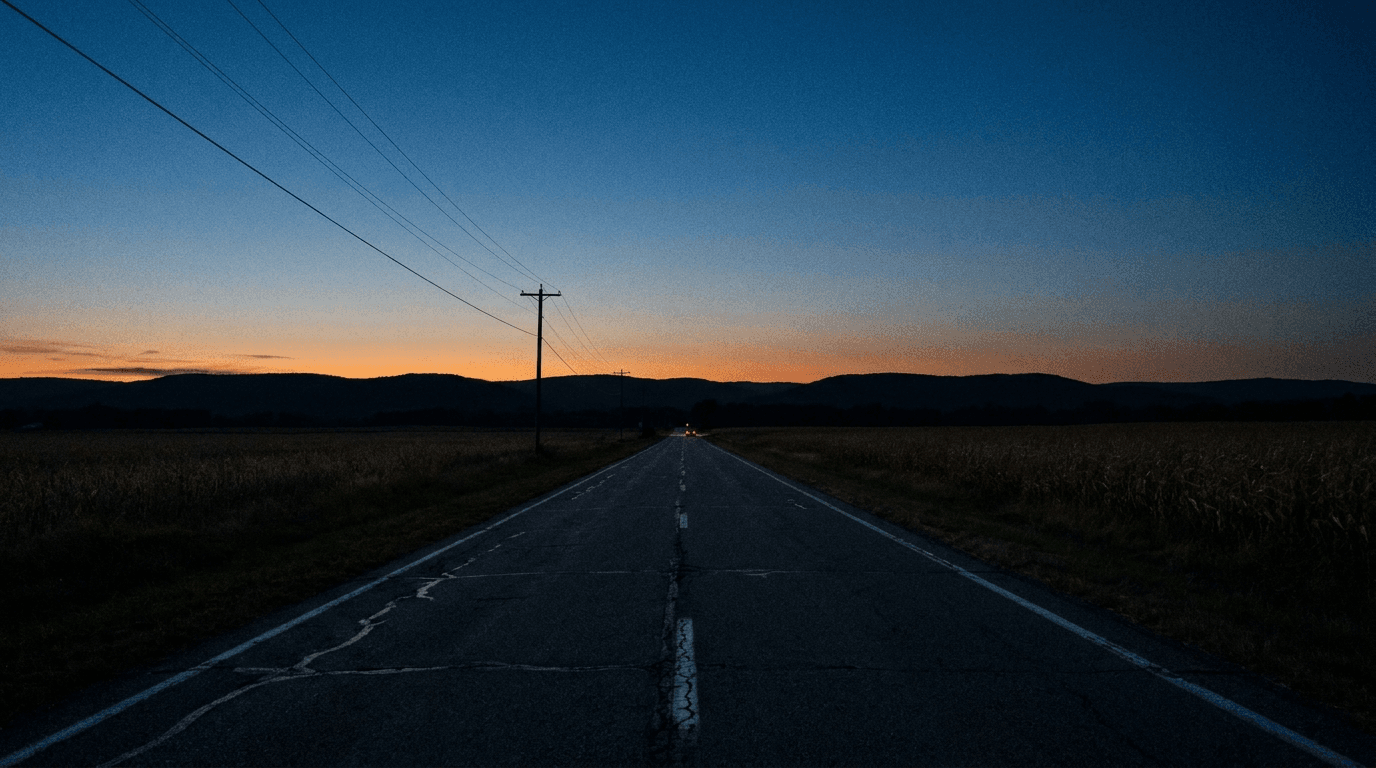
Russellville sits in the Arkansas River Valley, roughly midway between Fort Smith and Little Rock. It's not a poverty trap and it's not a boomtown. It's a place with a state university, a nuclear power plant nearby, some industry, and a lot of people living modest lives with real stakes attached to them.
That's exactly the kind of place that produces someone like Perry Wade.
The literary version of this is simple: the farther your character is from the center of power, the more their arrival at that center means. Perry didn't grow up near the Beltway. He didn't have family in government. He didn't come from a prep school feeder pipeline into the intelligence community. He came from Russellville — which means every room he eventually walks into, he walked in through a door that wasn't built for him.
That creates pressure. Internal, structural pressure. The kind of pressure that makes a man exceptional — and the kind that breaks him when it builds too long without release.
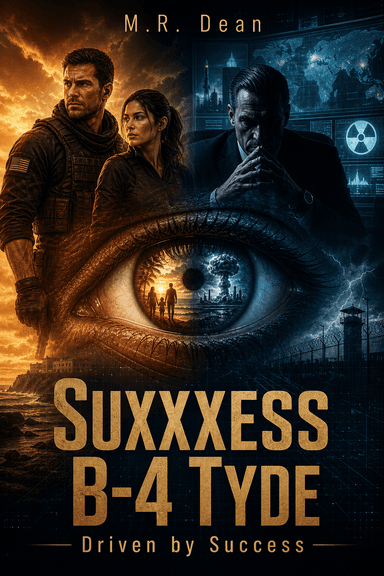
Russellville also gives Perry his childhood with Veronica "Vvee" Valdez. The relationship that becomes the emotional core of Suxxxess b-4 Tyde is a Russellville relationship. It's not a D.C. romance between two staffers at a cocktail party. It started when both of them were young, in a specific place, before either of them knew what the world was going to ask of them. That kind of origin has a different gravity. It's not a relationship that began in the world of the novel — it predates that world entirely.
The Distance Between Arkansas and the Oval Office
Part of what makes Suxxxess b-4 Tyde structurally interesting is the range of the geography. The novel moves from Russellville to Virginia to a federal prison in Sioux Falls, South Dakota, to Fort Lauderdale, to a cruise ship in international waters. The Oval Office is in play. The Secretary of Defense is speaking in Chapter 59.
That range only works because Dean anchors it. The movement through power centers — federal government, military command, international crime — lands harder because the reader understands where Perry started. He started in Russellville.
The distance between Russellville, Arkansas and the Oval Office is roughly 1,100 miles by road. In terms of power, access, and institutional weight, it's considerably farther. That distance is the subtext running underneath every scene where Perry engages with the machinery of the American national security state. He's been inside it long enough to know how it works. He's also never fully of it — never fully trusted by it, never fully comfortable inside it — because of where he came from.
This is the tension that sustains a character through 60 chapters. Not action. Tension.
How Settings Accumulate in Suxxxess b-4 Tyde
There's a technique in fiction — not always named, but always felt — where settings accumulate meaning as the story progresses. The first time you see a location, it's just geography. The second time, it carries the weight of what happened there before. By the third time, it's character.
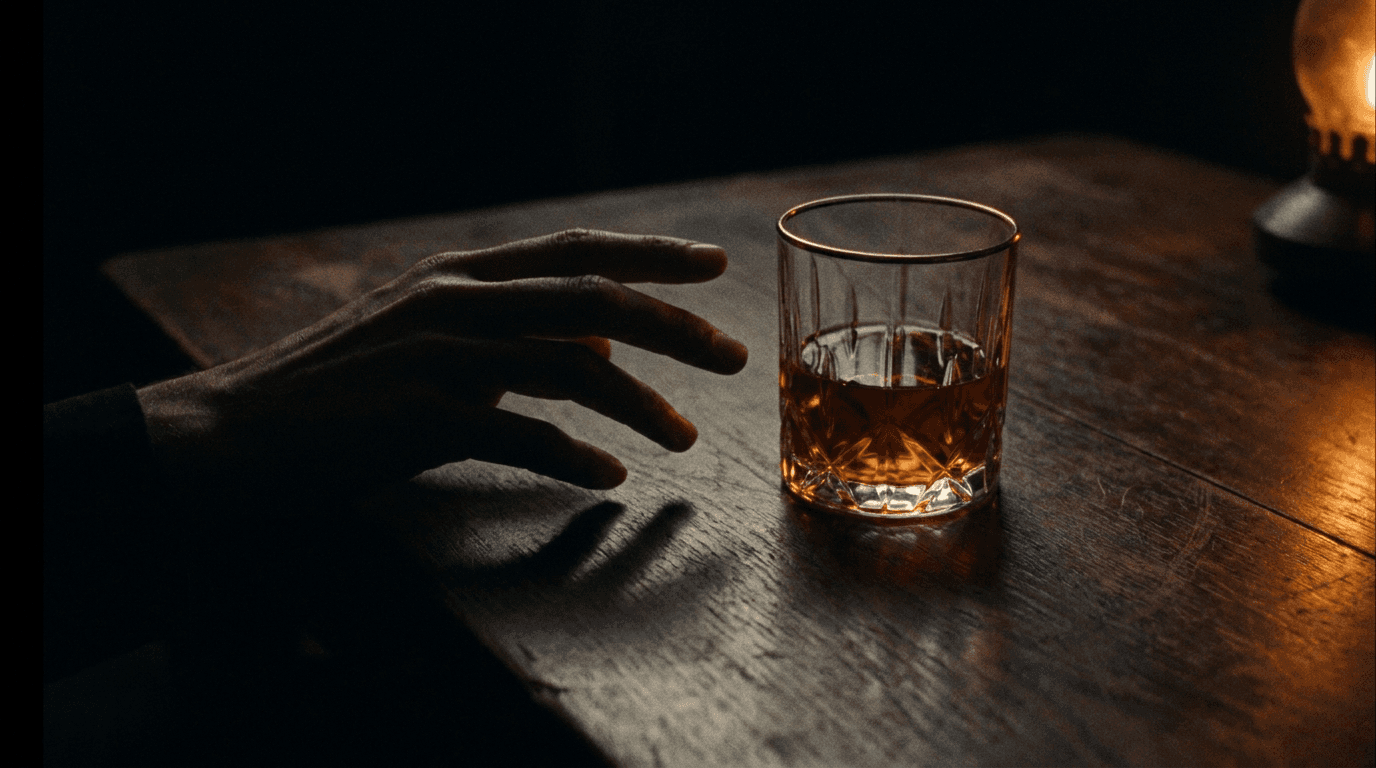
Dean uses this with Perry's Virginia civilian life. Virginia is where Perry lives when we first encounter him — or where he's hiding, depending on your interpretation. It's the location of his medical leave, his drinking, his deliberate removal from the world. Virginia is Perry in stasis.
Compare that to the federal prison in Sioux Falls. Sioux Falls is movement — dangerous, controlled, escalating movement — but it's happening inside a box. That's the architecture of Vick Tyde's sections of the novel: genius operating under maximum constraint. The location isn't incidental. A federal maximum-security facility in South Dakota communicates something specific about isolation, distance from the coasts, distance from the centers of power — and yet Tyde makes that distance irrelevant, which is the whole point.
Fort Lauderdale appears as a transit point, a threshold. It's where the cruise ship operation stages from. Geographically, it's the last American ground before international waters — and thematically, that's exactly what it is. The last point where the normal rules apply.
The Cruise Ship and What International Waters Means
The cruise ship sequence is one of the more technically ambitious elements of the novel. Perry and Vvee run an undercover intelligence operation aboard a vessel in international waters, gathering intel from Vlademir Ivanoff — a Russian arms dealer who is, not coincidentally, supplying Tyde's operation.
International waters means no jurisdiction. It means the ordinary machinery of law enforcement doesn't reach. It means that whatever happens out there happens outside the frame that governs everything on land.
That's not just a thriller device. It's a precise statement about how the world actually works. The most dangerous transactions on earth often happen in the spaces between jurisdictions — in international waters, in shell companies registered in countries with no disclosure laws, in money flowing through systems that no single government controls. Dean isn't writing fantasy. He's writing a specific, structurally accurate version of how a genius criminal would actually operate.
The cruise ship also puts Perry and Vvee in enforced proximity. One ship. One mission. A decade of unresolved history between them. The setting does more than create physical stakes — it creates the conditions for everything that was unfinished to become urgent.
Place as Identity
There's a passage in Suxxxess b-4 Tyde where Perry reflects on fear — specifically, the fear that has lived in him since Tyde first came into his life:
"Fancy Face, there is not a day that goes by that I do not feel fear from the thought of Tyde getting out of prison."
That line is delivered by a man who spent his career eliminating threats that would have broken most human beings. The fear isn't weakness — it's information. It's evidence that Tyde is genuinely different, genuinely dangerous.
But the line also reveals something about Perry's geography. "Fancy Face" is Vvee. He's speaking to the one person who knew him before all of it — before the government, before the missions, before whatever it was that broke him badly enough to require medical leave. He's speaking to his Russellville self.
Place accumulates in people. The settings in this novel — Russellville, Virginia, Sioux Falls, Fort Lauderdale, international waters — aren't a travel itinerary. They're a map of who Perry Wade is, who Vick Tyde is, and what it's going to cost to end this.
The best political thrillers understand that geography is psychology. Suxxxess b-4 Tyde understands it.
Key Locations in Suxxxess b-4 Tyde and What Each One Means
| Location | Role in the novel | Thematic weight |
|---|---|---|
| Russellville, Arkansas | Perry's origin; where he and Vvee grew up | Distance from power; the self that predates the CIA |
| Virginia | Perry's civilian life during medical leave | Stasis; deliberate removal from the world |
| Sioux Falls, South Dakota | Federal max-security prison; Tyde's base | Genius under maximum constraint; isolation made irrelevant |
| Fort Lauderdale, Florida | Staging point for the cruise-ship operation | Last American ground before jurisdiction ends |
| International waters | The cruise ship; the undercover op against Ivanoff | No jurisdiction; where the most dangerous transactions happen |
Buy on Amazon — or read Chapter 1 free at /the-book#chapter-1.